
Chiropractic Care for Herniated Disc in Brooklyn, NYC
A herniated disc can interfere with many everyday activities, making routine tasks far more uncomfortable than they should be. In Brooklyn, where residents often balance work, commuting, exercise, and busy personal schedules, ongoing back pain can become a serious disruption. Simple movements such as bending down, standing for extended periods, or sitting at a desk may suddenly cause pain or stiffness. Many people attempt to manage the condition with over the counter medication, rest, or by limiting certain activities. Although these strategies may provide temporary relief, they often fail to address the spinal imbalance that is creating the symptoms.
If you believe you may be dealing with a herniated disc, a professional evaluation can help determine the most effective path forward. Chelsea Chiropractic and Massage provides individualized chiropractic care for Brooklyn residents who want to relieve pain, restore natural movement, and improve overall spinal health through a safe and non invasive treatment approach.

Understanding
Herniated Discs
The spine consists of a series of vertebrae separated by intervertebral discs that act as cushions and absorb shock. These discs enable spinal flexibility while protecting the spinal cord and nerve roots during movement. Each disc has a tough outer layer called the annulus fibrosus and a soft, gel-like inner core known as the nucleus pulposus.
A herniated disc occurs when the outer layer weakens or ruptures, allowing the inner material to protrude outward. If the protrusion presses against nearby nerves or the spinal cord, it can produce pain, inflammation, and neurological symptoms. Herniated discs most frequently affect the lumbar spine in the lower back and the cervical spine in the neck, but they may occur anywhere along the spine.
Symptoms differ depending on the nerve involvement and severity. Some individuals experience pain limited to the back or neck, while others develop radiating pain into the limbs. Certain cases are mild, while others can significantly limit movement and function.
Common Symptoms of a Herniated Disc
The type and intensity of herniated disc symptoms depend on which spinal nerves are affected and the level of compression. Pain is the most common complaint, but other symptoms can involve sensation or strength changes. Typical symptoms may include:
- Persistent neck or lower back pain
- Sharp or burning pain that radiates to the arms, shoulders, buttocks, or legs
- Tingling or numbness in hands, fingers, feet, or toes
- Muscle weakness that can impair grip or balance
- Increased pain with sitting, bending, coughing, or sneezing
Some patients notice symptoms that fluctuate with activity, while others experience constant discomfort that disrupts sleep and daily function. Early evaluation can reduce the risk of chronic problems.
Causes and Risk Factors
Herniated discs rarely occur without contributing factors. Often, gradual weakening and wear over time make the disc more prone to injury.
Common causes and risk factors include:
- Natural age-related disc degeneration that reduces flexibility and hydration
- Poor posture maintained for long periods, particularly while sitting
- Repetitive bending, lifting, or twisting without proper technique
- Sudden trauma, including falls or car accidents
- Sedentary habits that weaken the muscles supporting the spine
- Excess body weight that increases stress on discs
Certain occupations or sports that involve heavy lifting or prolonged sitting may raise the likelihood of disc issues. Correcting posture, strengthening muscles, and maintaining spinal health can lower the risk of future injury.
Types of
Disc Problems
Not every spinal disc problem is a herniation. Recognizing the different types helps inform proper treatment decisions.
- Herniated Disc (Ruptured or Slipped Disc): The disc’s outer layer tears, allowing the inner gel to push outward. This can compress nearby nerves, causing pain, numbness, or weakness.
- Bulging Disc: The disc extends beyond its normal limits without tearing. It may produce no symptoms but increases the risk of herniation if untreated.
- Degenerative Disc Disease: Normal aging and wear reduce disc elasticity and shock absorption. This leads to chronic back discomfort, stiffness, and elevated risk of bulging or herniated discs.
Identifying the type of disc issue allows chiropractors to develop precise, targeted treatment plans tailored to the patient.


How Chiropractic Care Helps Herniated Discs in Brooklyn
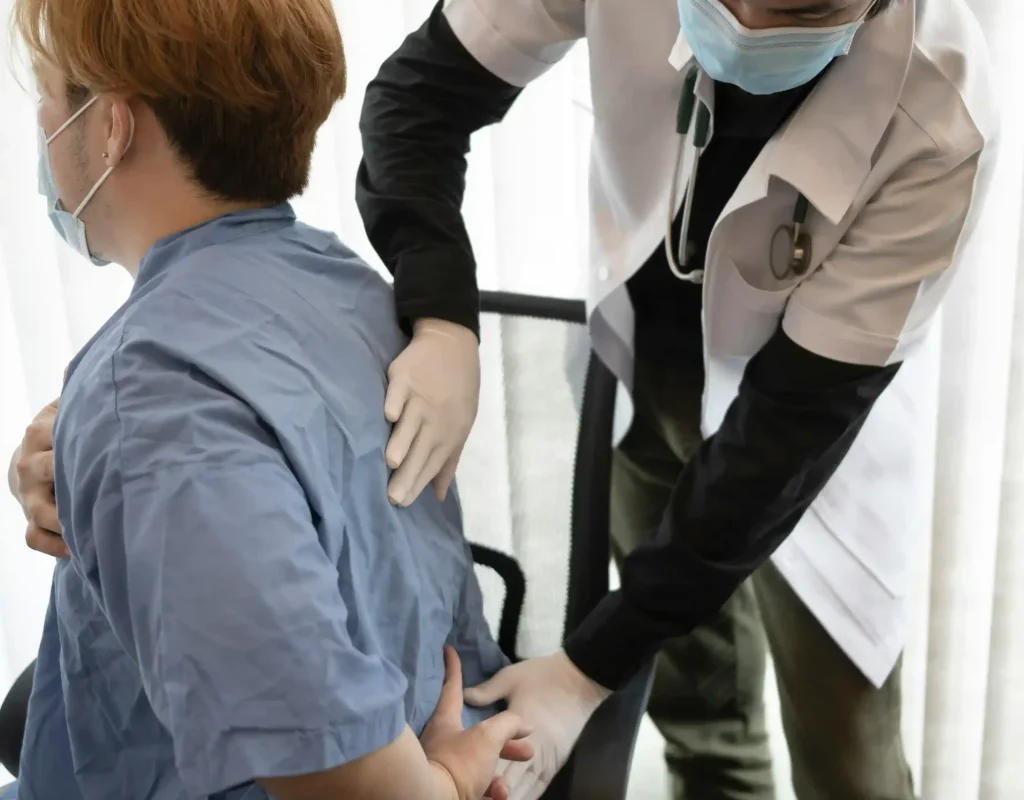
Chiropractic care focuses on restoring healthy spinal alignment and movement patterns while reducing stress placed on injured discs and nearby tissues. In Brooklyn, where many residents balance busy work schedules with active lifestyles, spinal health is essential for maintaining comfort throughout the day. Treatment begins with a detailed evaluation that includes reviewing symptoms, performing a physical examination, and recommending imaging when additional insight into the spine is required.
Instead of trying to reposition the disc directly, chiropractic care works to improve the function of the spine and support the body’s ability to heal. Treatment goals often include:
- Reducing nerve irritation and inflammation around the disc
• Improving spinal mechanics and stability
• Restoring natural motion within the joints of the spine
• Encouraging the body’s natural healing response
By addressing posture issues, muscular imbalance, and restricted movement patterns, chiropractic care helps Brooklyn patients experience longer lasting relief and improved mobility.
Chiropractic Techniques
Used for Disc Injuries
Chiropractic treatment plans vary depending on the location and severity of the disc condition. Common techniques may include:
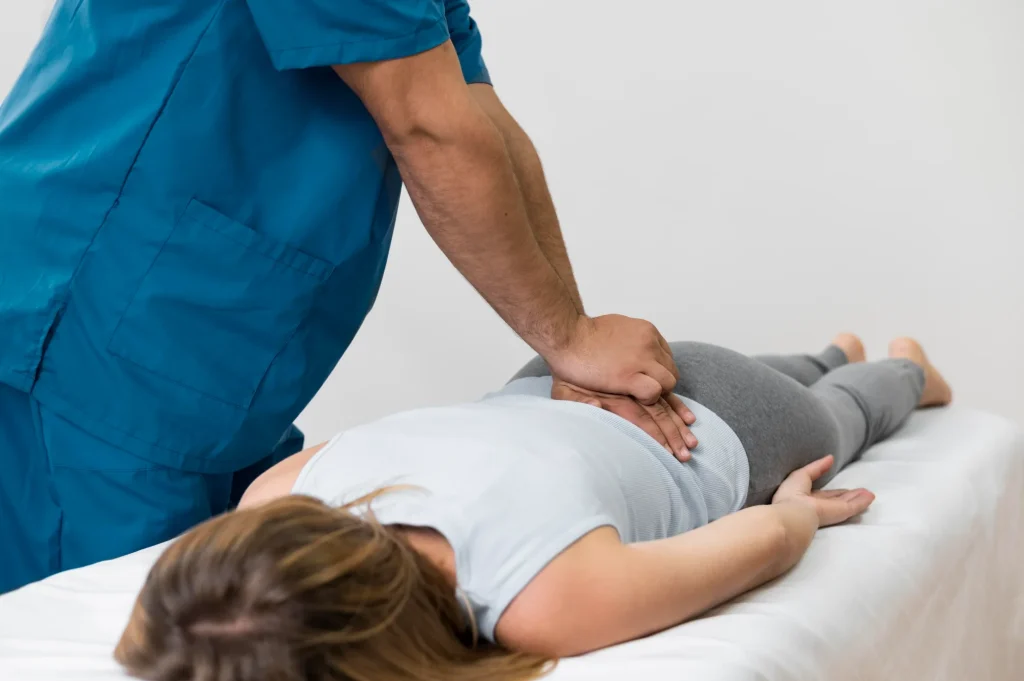
- Gentle spinal adjustments to realign vertebrae and relieve nerve pressure
- Flexion-distraction therapy, a gentle, low-force technique often used for lumbar discs
- Soft tissue therapy to release tension and improve circulation
- Mobilization techniques for patients who benefit from a lighter approach
- Postural retraining exercises to support long-term spinal function
All techniques are selected with patient comfort and safety in mind. Care is adapted as symptoms improve to support gradual and ongoing recovery.
What to Expect
During Chiropractic Treatment
Patients frequently begin noticing positive changes within the first few weeks of regular chiropractic care. Initial treatment is focused on pain relief and inflammation management, followed by strategies to restore flexibility and strengthen supportive spinal structures.
Your chiropractor may also recommend adjustments to daily activities, proper ergonomics, and targeted home exercises to reinforce improvements outside the clinic. Routine reassessment ensures that care stays aligned with your healing objectives.
Supporting Your
Recovery at Your Brooklyn Home
Chiropractic care is often more effective when it is combined with daily habits that promote spinal health and consistent movement. In Brooklyn, where many residents maintain busy lifestyles that include commuting, working, and staying active, posture and body mechanics can play an important role in recovery. Making small changes to daily routines can help reduce stress on the spine and support the healing process.
Taking short walking breaks to interrupt long periods of sitting
Practicing proper lifting techniques when handling objects or equipment
Maintaining a neutral and supportive posture while working or standing
Applying heat or ice therapy when recommended by your chiropractor
Performing gentle stretches or mobility exercises that have been approved
Staying active is important because regular movement helps maintain circulation and encourages healing. Your chiropractor can help Brooklyn patients choose safe activities that support recovery without irritating the spine.
When Herniated Disc
Symptoms Require Medical Attention
While chiropractic treatment can help many disc problems, certain symptoms demand immediate medical attention.
Seek urgent care if you notice:
- Severe or progressive weakness in the arms or legs
- Loss of bladder or bowel control
- Sudden, intense pain following trauma
- Significant numbness affecting daily function
Conditions like cauda equina syndrome, though rare, are emergencies and require immediate intervention. Coordinating chiropractic and medical care maintains patient safety in complex situations.
Long-Term Benefits
of Chiropractic Care for Herniated Discs in Brooklyn
Chiropractic care provides benefits that extend far beyond short term relief from discomfort caused by disc injuries or spinal strain. It plays an important role in maintaining long term spinal health and improving functional stability throughout the body. By carefully identifying and addressing mechanical imbalances, joint restrictions, and inefficient movement patterns that contribute to disc related problems, chiropractic treatment helps restore healthier biomechanics within the spine. When the spine moves properly and maintains balanced alignment, it functions more efficiently and places less stress on surrounding tissues, which helps reduce the likelihood of recurring pain episodes.
Patients who commit to appropriate chiropractic care often experience lasting improvements in several important areas, including:
- Mobility and flexibility: Improved joint motion allows the spine to move more freely and comfortably, helping to reduce stiffness and minimizing the amount of stress placed on spinal discs during everyday movements such as walking, lifting, or sitting for extended periods.
- Posture and balance: Better spinal alignment helps distribute physical нагруз more evenly across the structures of the spine, which decreases excessive pressure on vulnerable areas and supports improved balance during both movement and rest.
- Muscle coordination and strength: Strengthening the core and the surrounding muscles that support the spine improves stability and coordination, allowing the body to maintain safer movement patterns during daily activities.
- Overall function and quality of life: When pain is reduced and mobility improves, patients often find it easier to return to work responsibilities, exercise routines, and everyday tasks with greater comfort and confidence.
Ongoing care and preventive strategies such as posture awareness, targeted strengthening exercises, and consistent healthy movement habits can significantly reduce the risk of future flare ups. This proactive approach allows Brooklyn patients to remain active, support the long term health of their spines, and avoid the recurring cycle of discomfort that is frequently associated with disc related conditions.

Frequently Asked
Questions
Can a herniated disc heal without surgery?
Yes, many herniated discs recover through conservative approaches such as chiropractic care, rehabilitative therapy, and supportive lifestyle changes.
How long does chiropractic treatment for a herniated disc take?
Treatment time varies, though many patients see improvement within several weeks to a few months depending on severity and commitment to care.
Is chiropractic care safe for herniated discs?
Yes, when performed by licensed chiropractors, chiropractic care is a safe non surgical approach that focuses on resolving the underlying causes of disc problems.
Can I exercise with a herniated disc?
Gentle movement and low impact exercise are often recommended, while high impact activities should be avoided until your chiropractor determines they are safe, and core and flexibility exercises are helpful.
Will chiropractic care prevent future disc issues?
Maintaining spinal health through proper posture, strengthening exercises, and regular care can help lower the risk of future disc related problems.

Contact Us
We’re here to help you take the first step toward better spinal health and lasting relief. Whether you’re dealing with back pain, neck tension, joint stiffness, or posture-related discomfort, chiropractic adjustments at Chelsea Chiropractic offer a natural, personalized approach to healing and mobility.
Now accepting new patients for one-on-one chiropractic care. The providers at Chelsea Chiropractic and Massage offer tailored treatment plans designed to help you feel better, move freely, and maintain results between visits.
Call Us:
Email Us:
Visit Us:
231 West 21st Street, Lower Level, New York, NY, 10011
A map is available on our booking page for your convenience.
If you’re ready to regain strength, reduce pain, and move with more confidence, we encourage you to schedule a physical therapy consultation today. Early, personalized care can make all the difference—and we’re here to guide you every step of the way.
