
Chiropractic Care for Herniated Disc in Upper Manhattan, NYC
A herniated disc can create persistent pain that interferes with everyday comfort and mobility. In Upper Manhattan, where many people rely on walking, commuting, and active engagement in the community, back pain can quickly become disruptive. Tasks such as bending, standing for extended periods, or sitting comfortably may feel increasingly difficult. Many individuals try to manage their discomfort with over the counter medication, rest, or by avoiding certain movements. While these strategies may provide temporary relief, they often do not address the underlying cause of the problem.
If you believe your symptoms may be connected to a herniated disc, a professional evaluation can help you move toward lasting relief. Chelsea Chiropractic and Massage provides individualized care for Upper Manhattan residents looking to reduce pain, restore movement, and maintain spinal health through non-invasive treatment.

Understanding
Herniated Discs
The spine is made up of vertebrae that are separated by intervertebral discs, which function as cushions and absorb impact. These discs allow the spine to remain flexible while protecting the spinal cord and nerve roots. Each disc includes a durable outer layer known as the annulus fibrosus and a soft inner core called the nucleus pulposus.
A herniated disc develops when the outer layer weakens or tears, allowing the inner material to move outward. When this material presses on spinal nerves or the spinal cord, it can cause pain, inflammation, and neurological symptoms. Herniated discs most commonly occur in the lumbar and cervical regions, although they can appear anywhere along the spine.
Symptoms vary depending on the location and extent of the condition. Some individuals experience localized pain, while others feel radiating symptoms that travel into the arms or legs. In mild cases, discomfort may be manageable, while in severe cases it can limit daily movement.
Common Symptoms of a Herniated Disc
Herniated disc symptoms depend on which spinal nerves are involved and how much compression is present. Although pain is the most common symptom, individuals may also notice changes in sensation or muscle performance. Typical symptoms may include:
- Persistent neck or lower back pain
- Sharp or burning pain that radiates into the arms, shoulders, buttocks, or legs
- Tingling or numbness in the hands, fingers, feet, or toes
- Muscle weakness that affects balance or grip strength
- Increased discomfort with sitting, bending, coughing, or sneezing
Some individuals experience symptoms that vary with movement, while others have consistent discomfort that interferes with sleep and daily routines. Early evaluation can help prevent long term issues.
Causes and Risk Factors
Herniated discs rarely occur without contributing factors that develop over time. Continuous stress on the spine, combined with natural degeneration, can weaken the disc and increase the risk of injury even during everyday activities.
Common causes and risk factors include:
- Age related changes that reduce disc strength, hydration, and flexibility
- Poor posture, especially when sitting for extended periods or maintaining forward leaning positions
- Repetitive motions such as bending, lifting, or twisting that place repeated strain on the spine
- Sudden trauma from falls or accidents that impact spinal alignment
- Sedentary lifestyles that lead to reduced muscle support around the spine
- Excess body weight that increases the load placed on spinal discs
Jobs that involve repetitive physical tasks, heavy lifting, or prolonged sitting, along with physically demanding sports, can contribute to a higher risk of disc injury. Strengthening the body, improving posture, and maintaining proper spinal care can help reduce future complications.
Types of
Disc Problems
Not every disc condition involves a herniation, and understanding the differences between these conditions plays an important role in determining the most effective treatment approach.
- Herniated Disc (Ruptured or Slipped Disc): The outer layer of the disc weakens or tears, allowing the inner gel like material to move outward. This can place pressure on nearby nerves, often leading to localized pain, radiating discomfort, numbness, or weakness in affected areas.
- Bulging Disc: The disc extends beyond its normal boundary without a tear in the outer layer. While it may not always produce immediate symptoms, it can create pressure on surrounding structures and increase the likelihood of a future herniation if not properly managed.
- Degenerative Disc Disease: Gradual age related changes reduce the disc’s flexibility, hydration, and ability to absorb shock. This process can result in chronic back pain, stiffness, and a higher risk of developing bulging or herniated discs over time.
Identifying the specific type of disc condition allows chiropractors to develop targeted treatment plans that address the underlying cause and improve overall spinal function.

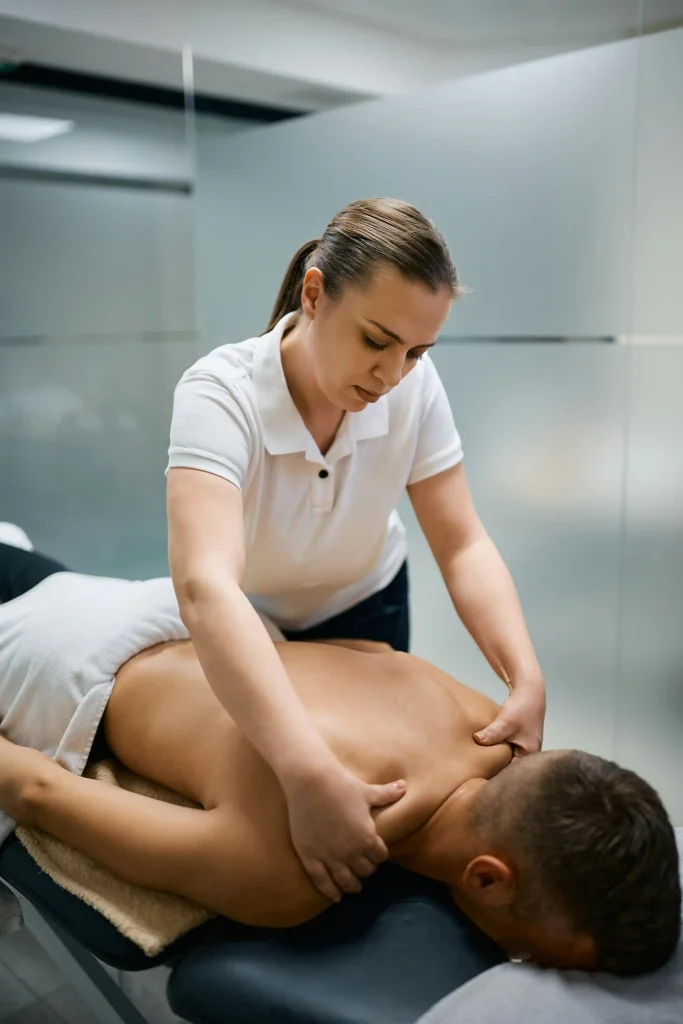
How Chiropractic Care Helps Herniated Discs in Upper Manhattan
Chiropractic care focuses on restoring proper alignment of the spine and improving how the body moves, while also reducing pressure on injured discs and surrounding tissues. For Upper Manhattan residents who lead active lives, spinal health plays an important role in maintaining comfort and mobility throughout daily activities. Care begins with a comprehensive evaluation that includes reviewing symptoms, performing a physical examination, and recommending imaging when necessary to fully understand the condition.
Rather than attempting to directly reposition the disc, chiropractic care emphasizes improving spinal function and supporting the body’s natural healing processes. Treatment plans are designed to:
- Reduce irritation and inflammation affecting nearby nerves
- Improve spinal balance and overall biomechanics
- Restore healthy joint motion throughout the spine
- Encourage natural healing and recovery
By addressing factors such as poor posture, muscular imbalance, and limited range of motion, chiropractic care helps Upper Manhattan patients achieve meaningful and lasting improvements.

Chiropractic Techniques
Used for Disc Injuries
Treatment plans are structured around the specific location of the disc injury and the level of severity involved. Common techniques may include:
- Gentle spinal adjustments to help restore alignment and relieve pressure on irritated nerves
- Flexion distraction therapy, a controlled low force method often used for lumbar disc conditions
- Soft tissue therapy to release muscle tension and promote better circulation
- Mobilization techniques suited for patients who benefit from a slower and more cautious approach
- Postural correction strategies to reinforce proper alignment and long term spinal stability
Each technique is selected with a strong emphasis on patient comfort and safety. Care is progressively modified as symptoms improve to ensure consistent progress and support recovery.
What to Expect
During Chiropractic Treatment
Many patients begin to notice meaningful and consistent improvements within the first few weeks of following a structured chiropractic care plan. The early phase of treatment is typically focused on reducing pain levels and managing inflammation, which helps create a stable foundation for recovery. As symptoms begin to improve, care gradually progresses toward restoring mobility and strengthening the muscles and connective tissues that provide essential support to the spine.
Your chiropractor may also provide detailed guidance on modifying daily activities, improving ergonomic habits both at work and at home, and performing targeted exercises that reinforce the progress made during clinic visits. Regular reassessment of your condition ensures that the care plan continues to adapt to your progress and remains aligned with your individual recovery goals and long term spinal health.
Supporting Your
Your Recovery at Your Upper Manhattan Home
Chiropractic care delivers the best outcomes when it is combined with daily habits that support proper movement patterns and spinal stability. For Upper Manhattan residents who manage active lifestyles that include commuting, working, and staying involved in the community, posture and body mechanics can significantly influence the recovery process. Even small and consistent adjustments to daily routines can help reduce pressure on the spine and promote a more efficient healing response.
Helpful strategies may include:
Taking short walking breaks to interrupt long periods of sitting
Practicing proper lifting techniques when handling objects or equipment
Maintaining a neutral and supportive posture while working or standing
Applying heat or ice therapy when recommended by your chiropractor
Performing gentle stretches or mobility exercises that have been approved
Maintaining regular activity is important because movement supports circulation, delivers nutrients to tissues, and encourages recovery. Your chiropractor can help Upper Manhattan patients identify appropriate activities that promote healing while minimizing stress on the spine.

When Herniated Disc
Symptoms Require Medical Attention
Chiropractic care can be an effective part of managing disc related conditions, but some symptoms may signal a more serious issue that requires immediate medical attention.
Seek immediate attention if you notice:
- Severe or progressive weakness in the arms or legs
- Loss of bladder or bowel control
- Sudden, intense pain following trauma
- Significant numbness affecting daily function
Serious conditions such as cauda equina syndrome, although not common, require urgent medical care to prevent complications. Coordinating chiropractic care with medical oversight helps ensure that patients receive safe and appropriate treatment, particularly in situations that involve higher levels of risk.
Long-Term Benefits
of Chiropractic Care for Herniated Discs in Upper Manhattan
Chiropractic care offers comprehensive benefits that extend beyond temporary relief from back pain or disc related symptoms. It supports long term spinal stability and function by addressing the underlying mechanical imbalances that contribute to injury and recurring discomfort. Joint restrictions, uneven muscle strength, and inefficient movement patterns can gradually place increased stress on the spine and surrounding tissues. Chiropractic treatment focuses on correcting these factors, improving alignment, and restoring more efficient movement, which allows the spine to function properly and reduces the likelihood of future injury.
Patients who remain consistent with chiropractic care often experience long term improvements in several essential areas that directly influence both mobility and overall wellbeing, including:
- Mobility and flexibility: Improved joint motion throughout the spine allows for smoother and more controlled movement, helping reduce stiffness while minimizing unnecessary stress placed on spinal discs during everyday activities such as sitting, walking, lifting, and transitioning between positions.
- Posture and balance: Proper spinal alignment helps ensure that physical forces are distributed evenly across the structures of the spine, reducing excess pressure on vulnerable areas while supporting better balance, coordination, and overall stability during movement.
- Muscle coordination and strength: Strengthening the muscles that support the spine improves coordination and stability, allowing the body to maintain safer and more efficient movement patterns and respond more effectively to physical demands throughout the day.
- Overall function and quality of life: As discomfort decreases and mobility improves, patients often regain the ability to perform daily tasks with greater ease and return to work, exercise, and recreational activities while maintaining a more active and comfortable lifestyle.
Ongoing chiropractic care, when paired with preventive strategies such as improving posture awareness, engaging in targeted strengthening exercises, and developing consistent movement habits, can significantly reduce the risk of recurring symptoms. This comprehensive approach helps Upper Manhattan patients maintain spinal stability over time, supports overall function, and allows them to remain active without experiencing the repeated cycle of discomfort that is commonly associated with disc related conditions.

Frequently Asked
Questions
Can a herniated disc heal without surgery?
Yes, many herniated discs improve through conservative treatment approaches that include chiropractic care, structured physical therapy, and intentional lifestyle modifications that reduce stress on the spine and support the body’s natural healing response over time.
How long does chiropractic treatment for a herniated disc take?
The duration of care varies based on individual factors such as severity, overall health, and consistency with treatment, but many patients begin to experience noticeable improvement within several weeks to a few months when following a well guided care plan.
Is chiropractic care safe for herniated discs?
Yes, when performed by a licensed chiropractor with appropriate clinical training, chiropractic care is considered a safe non surgical approach that focuses on improving spinal mechanics and addressing the underlying cause of symptoms.
Can I exercise in Upper Manhattan with a herniated disc?
Gentle low impact exercises are typically recommended to maintain mobility and circulation, while high impact activities should be avoided until approved by your chiropractor, and flexibility work along with core strengthening exercises can provide additional support during recovery.
Will chiropractic care prevent future disc issues?
Consistent spinal care, combined with proper posture habits and strengthening of the muscles that support the spine, can significantly reduce the risk of future disc problems and help maintain long term spinal health.

Contact Us
We’re here to help you take the first step toward better spinal health and lasting relief. Whether you’re dealing with back pain, neck tension, joint stiffness, or posture-related discomfort, chiropractic adjustments at Chelsea Chiropractic offer a natural, personalized approach to healing and mobility.
Now accepting new patients for one-on-one chiropractic care. The providers at Chelsea Chiropractic and Massage offer tailored treatment plans designed to help you feel better, move freely, and maintain results between visits.
Call Us:
Email Us:
Visit Us:
231 West 21st Street, Lower Level, New York, NY, 10011
A map is available on our booking page for your convenience.
If you’re ready to regain strength, reduce pain, and move with more confidence, we encourage you to schedule a physical therapy consultation today. Early, personalized care can make all the difference—and we’re here to guide you every step of the way.
