
Chiropractic Care for Herniated Disc in Soho, NYC
A herniated disc can cause lasting discomfort that affects your ability to carry out daily tasks. In Soho, where many residents maintain active lifestyles involving walking, commuting, and community participation, back pain can quickly disrupt normal routines. Everyday activities such as bending, standing for long periods, or sitting at work may become uncomfortable. Many individuals attempt to manage their symptoms using over the counter medication, rest, or by limiting movement. Although these methods may offer temporary relief, they often do not resolve the underlying spinal issue.
If you suspect your symptoms may be linked to a herniated disc, obtaining a professional evaluation can help you find a more effective solution. Chelsea Chiropractic and Massage offers personalized chiropractic care for Soho residents focused on pain relief, improved mobility, and long term spinal health through non-invasive treatment.

Understanding
Herniated Discs
The spine is formed by individual vertebrae separated by intervertebral discs that act as cushions and absorb shock. These discs help maintain flexibility while protecting the spinal cord and surrounding nerve roots during movement. Each disc consists of a strong outer layer called the annulus fibrosus and a soft, gel-like center known as the nucleus pulposus.
A herniated disc occurs when the outer layer becomes weakened or damaged, allowing the inner material to push outward. When this material presses against nearby nerves or the spinal cord, it can lead to pain, inflammation, and neurological symptoms. Herniated discs are most often found in the lower back and neck, although they may occur anywhere along the spine.
Symptoms can differ depending on the location and severity. Some people experience pain in one area, while others develop radiating discomfort into the arms or legs. In some cases, symptoms are mild, while in others they can limit mobility and interfere with everyday life.
Common Symptoms of a Herniated Disc
The symptoms of a herniated disc can differ based on the affected area and the amount of nerve pressure. While pain is the most frequent symptom, others may include changes in sensation or reduced muscle strength. Typical symptoms may include:
- Persistent neck or lower back pain
- Sharp or burning pain that radiates into the arms, shoulders, buttocks, or legs
- Tingling or numbness in the hands, fingers, feet, or toes
- Muscle weakness that affects balance or grip strength
- Increased discomfort with sitting, bending, coughing, or sneezing
Some people notice that their symptoms increase with activity, while others experience ongoing discomfort that interferes with rest and daily function. Early evaluation can help address symptoms before they worsen.
Causes and Risk Factors
Herniated discs typically form as a result of ongoing strain combined with natural aging changes that affect the spine. Over time, the disc structure can weaken, making it more susceptible to damage during both routine and strenuous activities.
Common causes and risk factors include:
- Age related degeneration that leads to reduced elasticity and moisture within the discs
- Poor posture habits, especially during long periods of sitting or forward leaning
- Repetitive physical movements such as bending, lifting, or twisting without proper technique
- Sudden injuries including falls or vehicle related accidents that place stress on the spine
- Inactivity that weakens the muscles responsible for supporting spinal alignment
- Excess body weight that adds continuous pressure to the spinal discs
Occupations that require physical labor or prolonged sitting, as well as sports that demand repetitive or high intensity movement, may increase the likelihood of disc problems. Addressing these factors through strengthening exercises and proper movement patterns can help protect spinal health.
Types of
Disc Problems
Disc conditions are not always the same, and not every issue involves a herniation. Understanding the differences helps guide effective treatment decisions.
- Herniated Disc (Ruptured or Slipped Disc): A tear in the outer layer allows the inner material to push outward, potentially compressing nerves and causing pain or weakness.
- Bulging Disc: The disc expands beyond its normal limits without tearing, which may or may not cause symptoms but can increase future risk.
- Degenerative Disc Disease: Age related wear reduces the disc’s flexibility and shock absorption, often leading to chronic discomfort.
Accurate identification of the condition allows chiropractors to develop focused treatment plans.

How Chiropractic Care Helps Herniated Discs in Soho
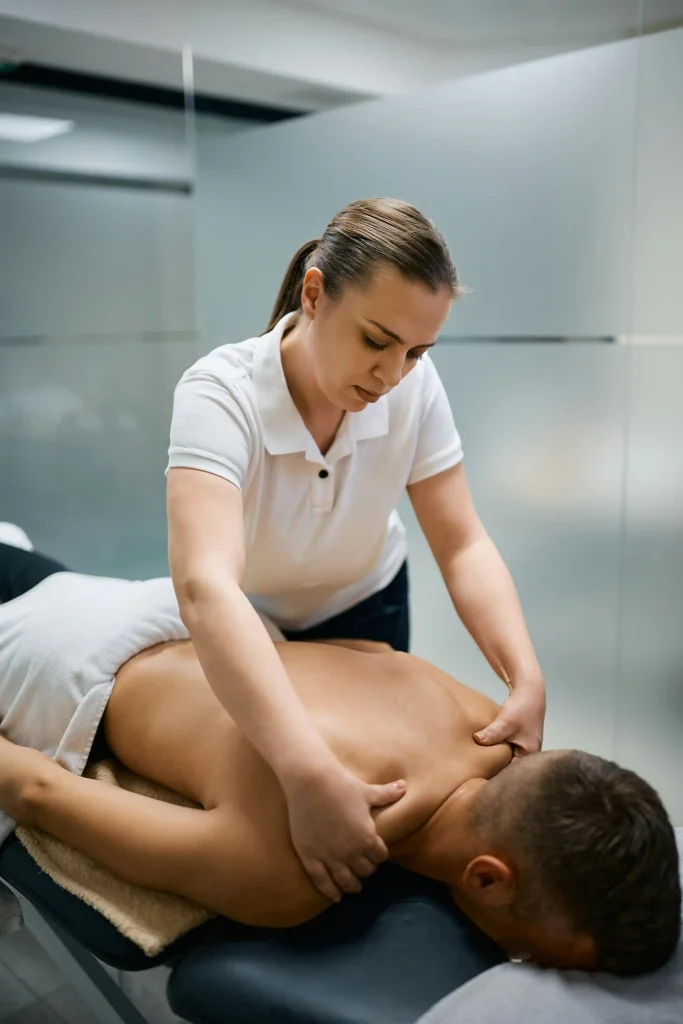
Chiropractic care is focused on restoring alignment within the spine and improving overall mobility while relieving pressure on injured discs and surrounding structures. For Soho residents who maintain busy schedules and active lifestyles, proper spinal function is essential for comfort and movement. Treatment begins with a detailed evaluation that includes reviewing symptoms, conducting a physical exam, and recommending imaging when needed for further clarity.
Rather than attempting to reposition the disc itself, chiropractic care aims to improve spinal mechanics and support the body’s natural healing ability. Treatment plans are designed to:
- Reduce irritation and inflammation affecting nearby nerves
- Improve spinal balance and overall biomechanics
- Restore healthy joint motion throughout the spine
- Encourage natural healing and recovery
By addressing posture habits, muscle imbalances, and restricted movement, chiropractic care helps Soho patients experience long term improvements.
Chiropractic Techniques
Used for Disc Injuries
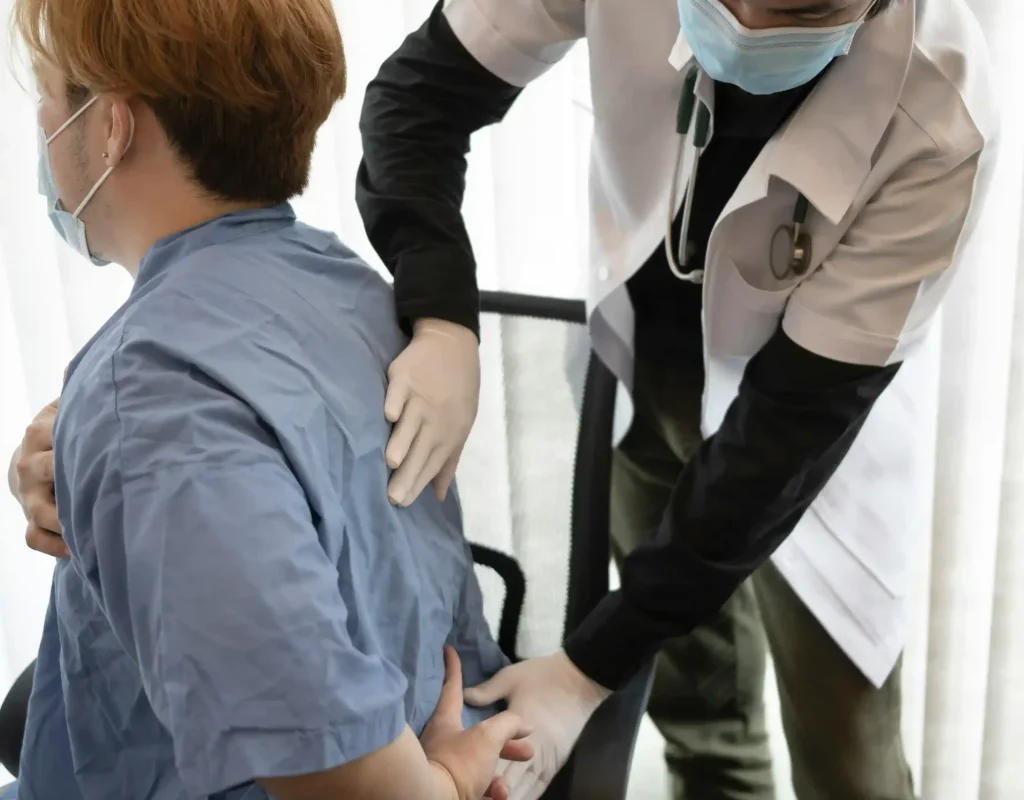
Treatment plans are developed based on both the location and severity of the disc issue. Common techniques may include:
- Gentle spinal adjustments to restore alignment and reduce pressure on affected nerves
- Flexion distraction therapy, frequently used as a low force option for lumbar spine conditions
- Soft tissue therapy to reduce muscle tension and improve circulation
- Mobilization techniques for patients who require a more gentle approach to care
- Postural correction strategies to support long term spinal stability
All treatments are selected with patient comfort and safety as the primary focus. Care is gradually adjusted as symptoms improve to support long term recovery.
What to Expect
During Chiropractic Treatment
Patients often notice early improvements within the first few weeks of receiving consistent chiropractic care. Treatment in the beginning stages is usually focused on reducing pain and controlling inflammation, followed by efforts to improve mobility and strengthen supporting muscles and tissues.
Your chiropractor may also provide recommendations on modifying daily activities, improving ergonomic habits, and performing exercises at home to support ongoing progress. Regular reassessment helps ensure that your care plan continues to align with your recovery objectives.
Supporting Your
Your Recovery at Your Soho Home
Chiropractic care achieves better results when paired with daily habits that support proper movement and spinal stability. For Soho residents who stay busy with work and daily activities, posture and body mechanics can greatly influence recovery progress. Making small adjustments to everyday habits can help reduce stress on the spine and improve healing.
Helpful strategies may include:
Taking short walking breaks to interrupt long periods of sitting
Practicing proper lifting techniques when handling objects or equipment
Maintaining a neutral and supportive posture while working or standing
Applying heat or ice therapy when recommended by your chiropractor
Performing gentle stretches or mobility exercises that have been approved
Regular movement helps improve circulation and supports tissue recovery. Your chiropractor can guide Soho patients in selecting safe activities that aid healing and protect the spine.
When Herniated Disc
Symptoms Require Medical Attention
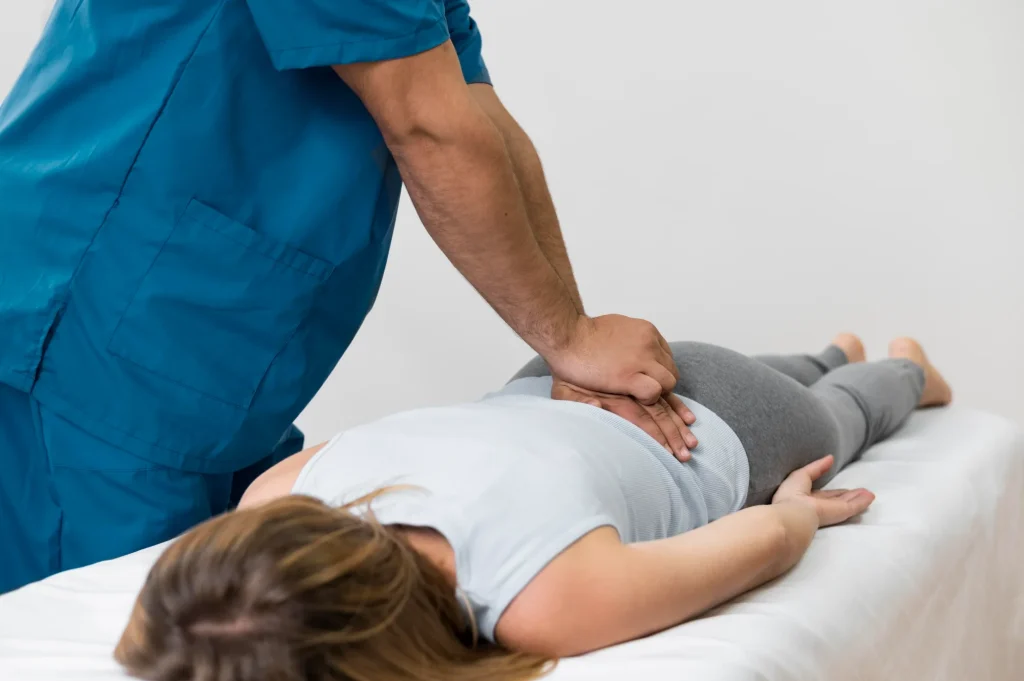
Although chiropractic care can help manage many disc related issues, certain symptoms may indicate a need for urgent medical evaluation.
Seek immediate attention if you notice:
- Severe or progressive weakness in the arms or legs
- Loss of bladder or bowel control
- Sudden, intense pain following trauma
- Significant numbness affecting daily function
Conditions like cauda equina syndrome require immediate medical treatment. Working in coordination with medical providers helps ensure safe and appropriate care.
Long-Term Benefits
of Chiropractic Care for Herniated Discs in Soho
Chiropractic care plays an important role in promoting long term spinal health in addition to relieving short term symptoms. It focuses on identifying and correcting the mechanical issues that contribute to injuries and repeated discomfort. Joint restrictions, muscle imbalances, and poor movement patterns can slowly place excess stress on the spine and surrounding tissues. Chiropractic treatment helps restore proper spinal mechanics, improving function and reducing the risk of future injury.
Patients who participate in regular chiropractic care often report meaningful improvements in several key areas that influence both movement and overall health, including:
- Mobility and flexibility: Improved joint motion allows the spine to move more freely and comfortably, reducing stiffness and minimizing strain on spinal discs during daily activities.
- Posture and balance: Proper alignment supports even распределение of physical нагруз across the spine, which helps reduce pressure on vulnerable structures and improves balance and coordination.
- Muscle coordination and strength: Strengthening the muscles that support the spine enhances stability and coordination, helping maintain proper movement patterns.
- Overall function and quality of life: As symptoms improve, patients often experience greater ease in performing daily tasks and maintaining an active lifestyle.
Combining consistent chiropractic care with preventive practices such as maintaining good posture, performing strengthening exercises, and following healthy movement habits can play an important role in preventing recurring symptoms. This proactive approach allows Soho patients to support long term spinal health and continue their activities without ongoing discomfort.

Frequently Asked
Questions
Can a herniated disc heal without surgery?
Yes, many herniated discs improve through conservative care that includes chiropractic treatment, physical therapy, and lifestyle changes aimed at reducing spinal stress.
How long does chiropractic treatment for a herniated disc take?
The length of care depends on the individual, but many begin to experience relief within several weeks to a few months depending on the severity and consistency of treatment.
Is chiropractic care safe for herniated discs?
Yes, when provided by a licensed chiropractor, this approach is safe and focuses on addressing underlying causes of discomfort.
Can I exercise in Soho with a herniated disc?
Low impact exercise is generally recommended, while more intense activity should be delayed until approved, and flexibility work can be beneficial.
Will chiropractic care prevent future disc issues?
Ongoing care, proper posture, and strengthening exercises can help reduce the risk of recurring disc problems.

Contact Us
We’re here to help you take the first step toward better spinal health and lasting relief. Whether you’re dealing with back pain, neck tension, joint stiffness, or posture-related discomfort, chiropractic adjustments at Chelsea Chiropractic offer a natural, personalized approach to healing and mobility.
Now accepting new patients for one-on-one chiropractic care. The providers at Chelsea Chiropractic and Massage offer tailored treatment plans designed to help you feel better, move freely, and maintain results between visits.
Call Us:
Email Us:
Visit Us:
231 West 21st Street, Lower Level, New York, NY, 10011
A map is available on our booking page for your convenience.
If you’re ready to regain strength, reduce pain, and move with more confidence, we encourage you to schedule a physical therapy consultation today. Early, personalized care can make all the difference—and we’re here to guide you every step of the way.
