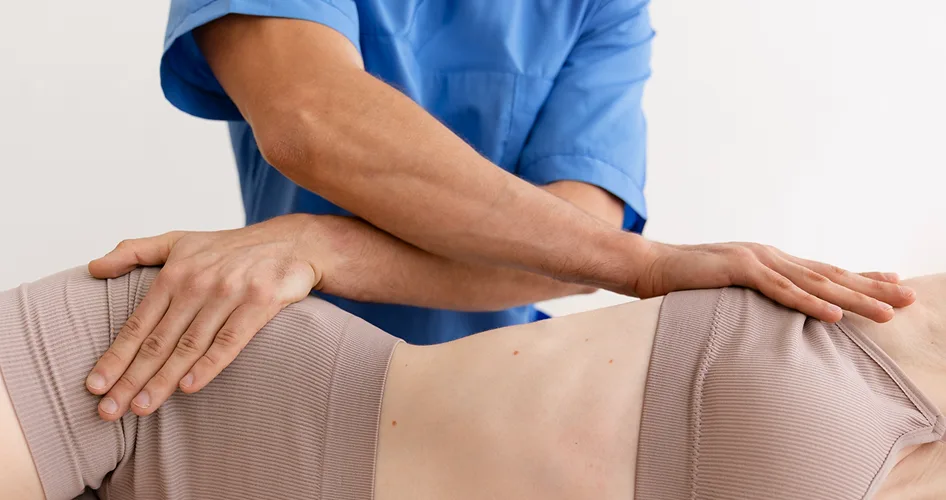
A herniated disc can cause significant pain, stiffness, and reduced mobility, affecting your ability to perform daily activities. Many people ask whether chiropractic care can “fix” this condition. The answer depends on the severity of the herniation and the approach to treatment. While chiropractic adjustments cannot always reverse the structural changes of a herniated disc, they can alleviate pain, improve spinal function, and support long-term recovery. Chelsea Chiropractic and Massage specializes in non-surgical approaches to herniated disc care, helping patients regain mobility and reduce discomfort through personalized treatment plans.
A herniated disc, sometimes called a slipped or ruptured disc, occurs when the soft inner gel of a spinal disc pushes through the tougher outer layer. This protrusion can irritate surrounding nerves, causing pain and dysfunction in the affected area. Herniated discs most commonly occur in the lower back (lumbar spine) and neck (cervical spine), but they can happen anywhere along the spine.
Causes of herniated discs include:
Age-related degeneration: As we age, discs lose flexibility and become more prone to tearing.
Incorrect lifting or sudden strain: Lifting heavy objects without proper technique can increase pressure on spinal discs.
Trauma or injury: Falls, car accidents, or sports injuries can trigger a disc herniation.
Postural habits: Poor posture or prolonged sitting can place uneven stress on the spine.
Understanding the mechanics of herniated discs highlights why non-invasive, targeted care from a chiropractor can help relieve symptoms and restore function.
Herniated discs can manifest in different ways depending on the location and severity of the disc problem. While some individuals experience intense pain, others may have subtle or intermittent symptoms.
Common signs include:
Localized pain: Pain in the neck or lower back that may worsen with movement.
Radiating pain: Numbness, tingling, or shooting pain radiating down the arms or legs, commonly known as sciatica.
Muscle weakness: Reduced strength in certain areas, affecting grip, walking, or balance.
Changes in sensation: Tingling, burning, or pins-and-needles sensations in the extremities.
Reduced mobility: Difficulty bending, twisting, or lifting without discomfort.
It’s important to recognize red-flag symptoms, such as sudden loss of bladder or bowel control, severe leg weakness, or rapidly worsening pain, as these may require immediate medical attention.
Chiropractors take a holistic, patient-centered approach to herniated disc care. Their primary goal is to alleviate pain, improve mobility, and help the body heal naturally without surgery.
Chiropractic evaluation often includes:
Physical assessment: Identifying areas of stiffness, muscle imbalance, and misalignment.
Posture and spinal analysis: Detecting uneven stress on the spine.
Imaging review: Evaluating X-rays or MRI scans to understand disc position and nerve involvement.
Common chiropractic treatments for herniated discs include:
Spinal adjustments: Gentle manipulation to realign the spine, reduce nerve pressure, and enhance mobility.
Flexion-distraction therapy: A specialized technique that decompresses the spine, reducing pressure on the affected disc.
Soft tissue therapy: Massage and targeted muscle release to relieve tension and improve function.
Chiropractors work closely with patients to develop customized treatment plans. At Chelsea Chiropractic and Massage, care plans are tailored specifically to each patient’s symptoms, lifestyle, and spinal condition, ensuring a safe and effective path to relief.
Can a Chiropractor “Fix” a Herniated Disc?
While many people hope for a complete “fix,” it’s important to have realistic expectations. Chiropractic care primarily focuses on relieving symptoms and improving function rather than permanently restoring the disc to its original structure.
Chiropractic care is most effective when:
The disc herniation is mild to moderate.
Patients follow a consistent treatment plan.
Treatment is combined with exercises, posture improvement, and lifestyle changes.
Many patients experience dramatic reductions in pain, improved mobility, and enhanced quality of life. In some cases, herniated discs may gradually heal over time with proper conservative care, making chiropractic adjustments a valuable part of a comprehensive recovery plan.
Chiropractic care is most effective when paired with at-home strategies that support spinal health. Patients are encouraged to engage in exercises, maintain good posture, and manage pain between visits.
Complementary strategies include:
Core-strengthening exercises: Strengthening the abdomen and back muscles stabilizes the spine and reduces strain.
Stretching and flexibility routines: Gentle stretches help maintain mobility and prevent stiffness.
Ergonomics and posture: Adjusting workstations, sitting, and sleeping positions can reduce disc stress.
Pain management techniques: Ice or heat therapy and mindful activity modifications can alleviate discomfort.
At Chelsea Chiropractic and Massage, chiropractors provide patients with personalized guidance on exercises and lifestyle changes, ensuring that in-office care continues to benefit patients at home.
While chiropractic care is effective for many herniated disc cases, some situations may require referral to a specialist or surgical intervention.
Red flags for surgical evaluation include:
Severe or worsening muscle weakness
Loss of bladder or bowel control
Herniated discs that do not respond to conservative care after an extended period
In these instances, chiropractors often collaborate with orthopedic or neurosurgical specialists to ensure patients receive comprehensive care and avoid complications.
Tips for Getting the Most Out of Chiropractic Care
To maximize the benefits of chiropractic care for herniated discs, patients should adopt a proactive approach:
Adhere to the treatment plan: Consistency is key for improving spinal alignment and reducing nerve irritation.
Communicate with your chiropractor: Regular updates on symptoms allow adjustments to your care plan.
Incorporate lifestyle adjustments: Stretching, strengthening, and maintaining proper posture can prevent further injury.
Stay active safely: Gentle activity, walking, or low-impact exercises support recovery and prevent stiffness.
Patients who follow these steps often experience significant improvements in pain, mobility, and overall spinal health.
Chiropractic care offers a safe, non-surgical approach to managing herniated disc symptoms, providing lasting pain relief, improved mobility, and support for long-term spinal health. While it may not always fully “fix” the disc, personalized evaluation and treatment from Chelsea Chiropractic and Massage can help patients achieve meaningful relief. Schedule a consultation today to receive expert guidance and begin your journey toward better spinal wellness.