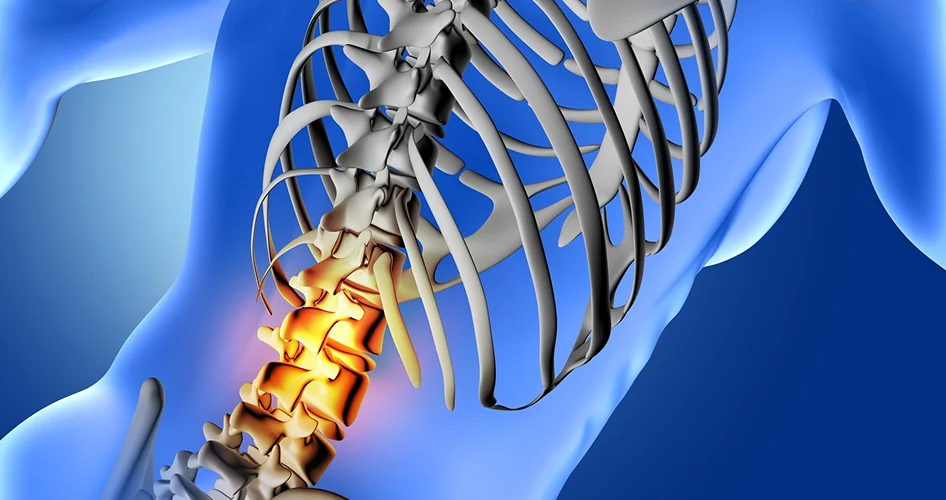
Bulging discs are a common spinal concern that affects millions of people worldwide, often leading to pain, discomfort, and limitations in daily activity. Many individuals who experience this issue wonder whether chiropractic manipulation can actually push a bulging disc back into place. While the idea of “fixing” the disc sounds appealing, the reality is more nuanced. Chiropractic care cannot physically reposition a disc, but it can relieve symptoms, improve spinal function, and support long-term spinal health. Chelsea Chiropractic and Massage offers personalized evaluations and treatment plans to address bulging disc issues safely and effectively, helping patients regain mobility and reduce pain.
A bulging disc occurs when the soft inner material of a spinal disc begins to protrude outward toward the outer layer, placing pressure on surrounding nerves or vertebrae. This is not the same as a herniated disc, where the inner material breaks through the outer layer. Several factors contribute to the development of bulging discs:
Age-related degeneration: Over time, spinal discs naturally lose hydration and elasticity, making them more prone to wear, tear, and bulging.
Poor posture: Sitting for long hours with slouched shoulders or standing with uneven weight distribution increases stress on spinal discs, contributing to bulging over time.
Repetitive strain: Jobs or activities that involve frequent bending, twisting, or heavy lifting can exacerbate disc pressure and contribute to bulging.
Sedentary lifestyle: Lack of physical activity weakens core and back muscles that support the spine, increasing the risk of spinal disc problems.
Understanding these causes is essential for both prevention and treatment. Recognizing the early signs of disc stress allows patients to take action before the condition worsens.
How a Bulging Disc Affects the Spine
A bulging disc can compress nearby spinal nerves, resulting in pain, tingling, numbness, or weakness in the arms, legs, or back, depending on the affected region. Common effects include:
Chronic discomfort or localized back pain that worsens with movement.
Reduced mobility and stiffness, making daily activities like bending, lifting, or twisting more difficult.
Muscle weakness or spasms due to nerve irritation.
While a bulging disc can cause noticeable symptoms, many cases can be managed effectively with proper care and lifestyle modifications. Understanding the difference between a bulging disc and a herniated disc is also important: a herniated disc involves the disc material breaking through the outer layer, whereas a bulging disc maintains structural integrity but protrudes outward. This distinction influences both treatment strategies and expected outcomes.
Chiropractic adjustments focus on restoring proper spinal alignment, reducing nerve irritation, and improving overall function. However, it’s important to clarify that chiropractic manipulation cannot physically push a bulging disc back into place. The structure of the spinal disc prevents it from being “reinserted.” Misunderstanding this can lead to unrealistic expectations about treatment outcomes.
How Chiropractic Care Helps
Although spinal adjustments cannot reposition the disc, they can provide significant benefits for patients with bulging discs, including:
Reducing nerve compression and associated pain or tingling sensations.
Improving spinal alignment and joint mobility, which can alleviate pressure on affected discs.
Enhancing flexibility and range of motion, making daily movements less painful.
Supporting long-term spinal health through ongoing evaluation and targeted treatment plans.
At Chelsea Chiropractic and Massage, patients receive comprehensive care that combines spinal adjustments with personalized recommendations, ensuring that each treatment plan addresses their specific needs while minimizing discomfort.
Chiropractic care works best when combined with additional strategies that support spinal health and recovery. Key complementary approaches include:
Physical therapy: Strengthening the core and back muscles stabilizes the spine, helping to relieve pressure on bulging discs. A guided exercise program can prevent further injury and enhance the effects of chiropractic adjustments.
Posture correction: Simple adjustments at work or home, such as ergonomic chairs or standing desks, reduce ongoing stress on the spine. Learning proper sitting, standing, and lifting techniques can prevent the condition from worsening.
Pain management techniques: Ice or heat therapy, gentle stretching, and anti-inflammatory measures can alleviate discomfort while supporting the healing process.
Lifestyle modifications: Regular low-impact exercise, maintaining a healthy weight, and avoiding prolonged periods of inactivity reduce pressure on the spinal discs and enhance overall spinal function.
By combining chiropractic adjustments with these strategies, patients can achieve better symptom relief and long-term spinal health.
When to Seek Professional Care
Bulging discs can vary in severity, and certain symptoms require immediate professional evaluation to prevent serious complications. Seek care if you experience:
Intense or worsening back or neck pain that does not improve with rest.
Numbness, tingling, or weakness in the arms or legs, which may indicate nerve compression.
Loss of bladder or bowel control, which could signal a medical emergency such as cauda equina syndrome.
Professional assessment is crucial for proper diagnosis and safe treatment. At Chelsea Chiropractic and Massage, patients receive comprehensive spinal evaluations, including detailed assessments of posture, mobility, and pain patterns. This ensures that treatment is targeted, effective, and tailored to each individual’s needs.
Even when under professional care, daily habits play a crucial role in supporting recovery and preventing further disc issues. Consider the following:
Daily stretches and exercises: Gentle routines focusing on spine mobility and core strength improve stability and reduce pressure on affected discs.
Safe lifting techniques: Bend at the knees, keep the back straight, and avoid twisting while lifting heavy objects.
Posture awareness: Maintain proper alignment while sitting, standing, and walking. Use supportive chairs or lumbar cushions as needed.
Active lifestyle: Regular walking, swimming, or other low-impact exercises improve circulation, flexibility, and spinal health.
Weight management: Maintaining a healthy weight reduces unnecessary stress on spinal discs and surrounding structures.
Incorporating these habits into your routine supports the benefits of chiropractic care and can help reduce the risk of future spinal issues.
A bulging disc cannot be physically pushed back into place, but chiropractic care can effectively relieve symptoms, improve spinal function, and support long-term spinal health. Combining spinal adjustments with physical therapy, posture correction, and lifestyle changes offers the best approach for pain relief and mobility. For personalized care, schedule a consultation with Chelsea Chiropractic and Massage to protect your spine and restore comfort.